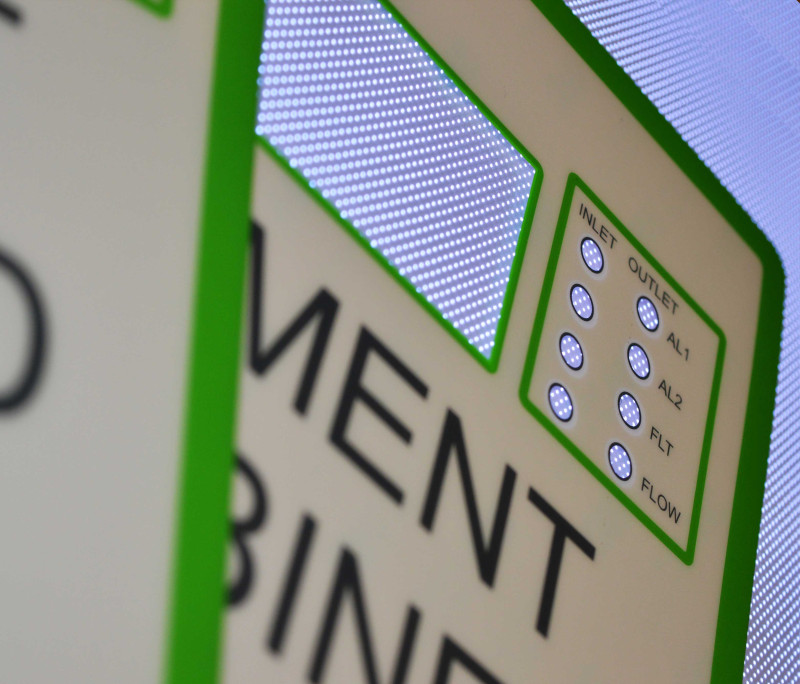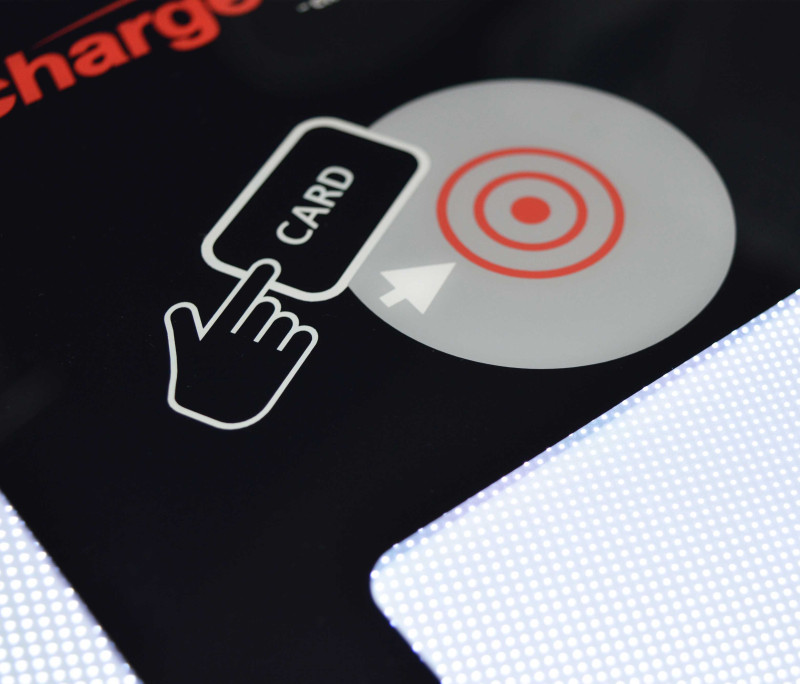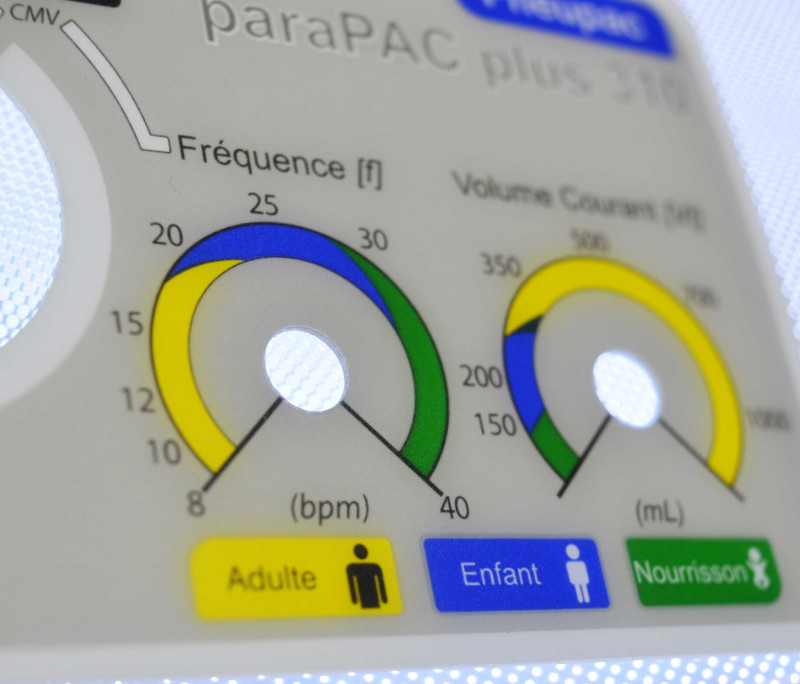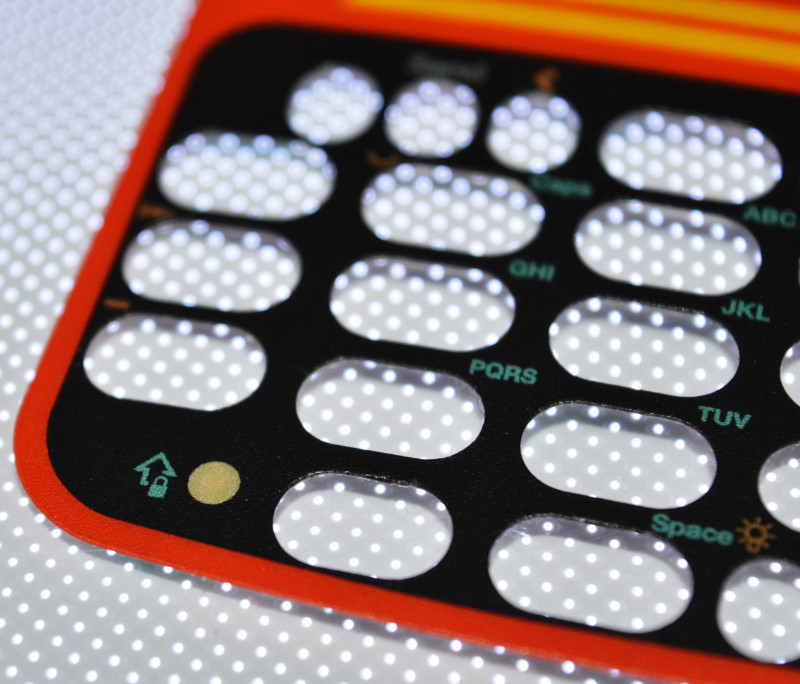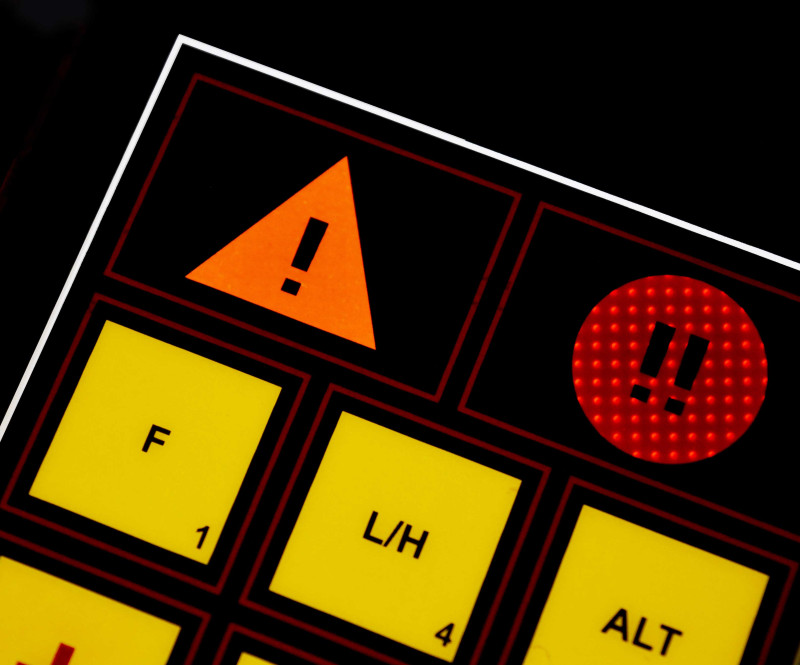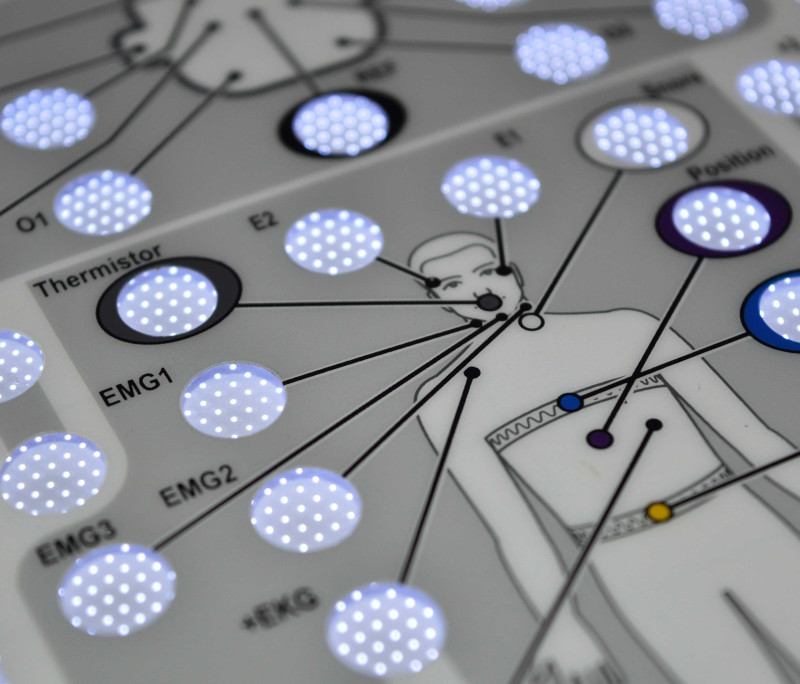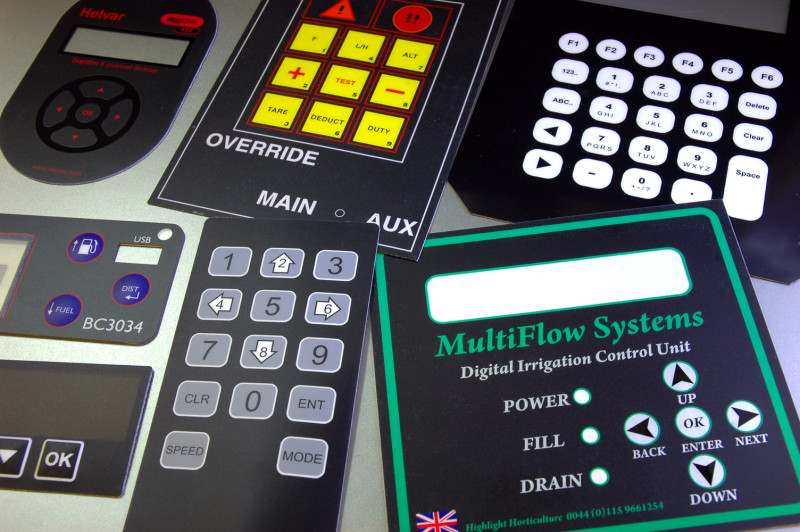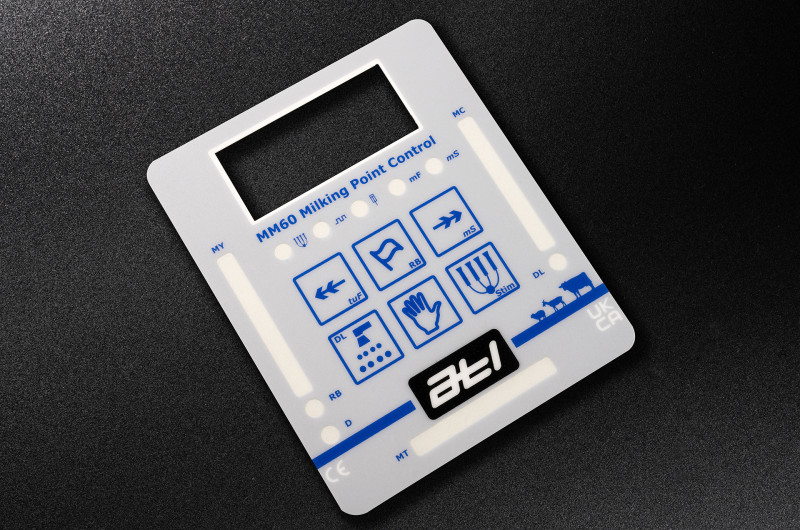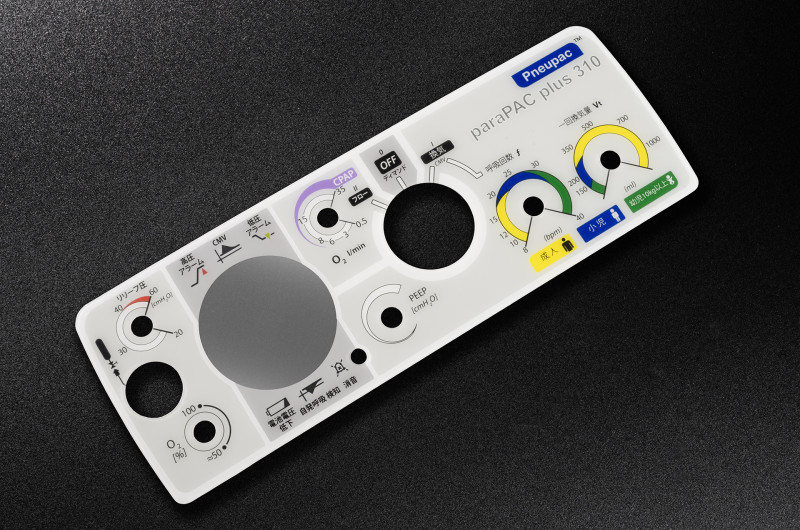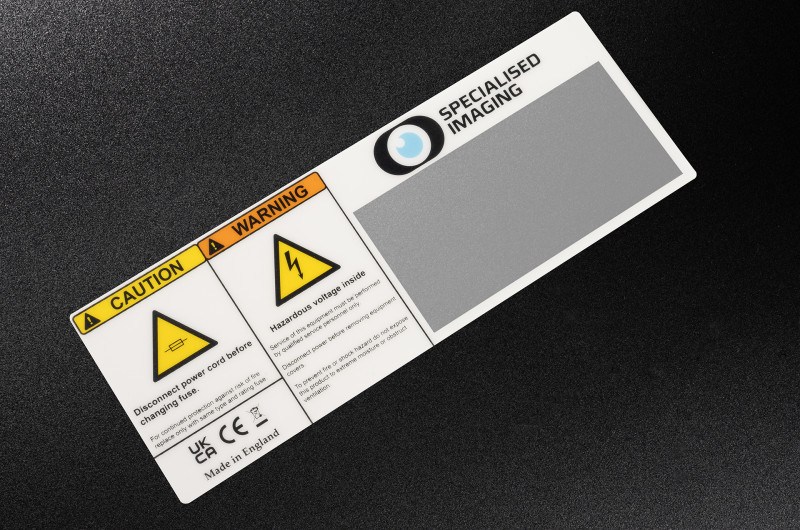

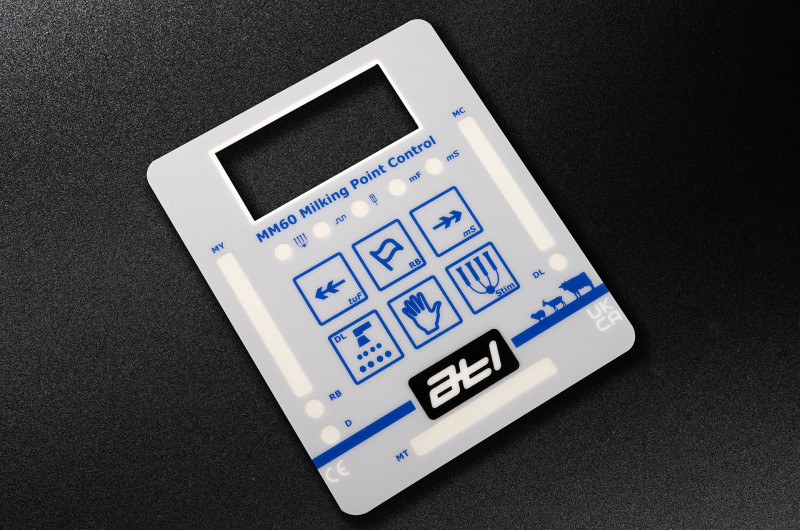
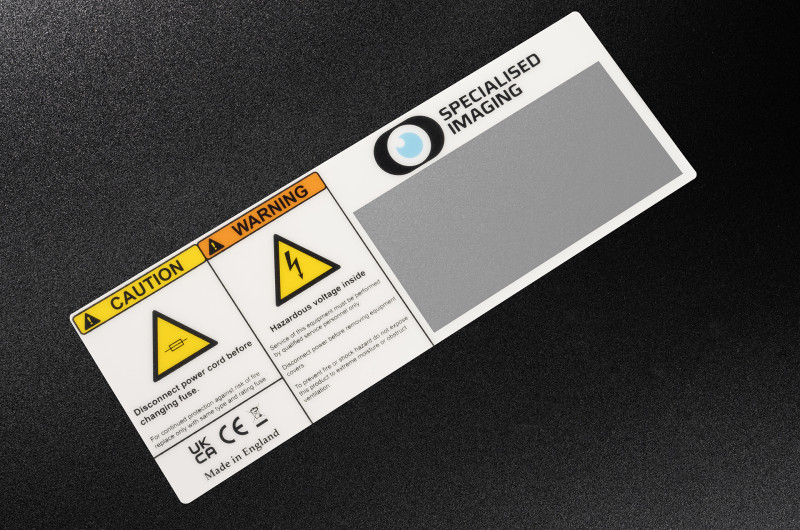
As the user-facing layer on control panels, our graphic overlays are manufactured from premium durable material, like polycarbonate or polyester, and reverse printed to further protect branding and operational instructions.
Used across many industries, our overlays ensure long-term visibility and functionality even when the environment is harsh from chemicals, heat, heavy use or frequent cleaning.
We can print colours to Pantone, RAL, BS or NCS references. We can also match to Customers own colours by providing a colour match prior to production.
The graphic overlays can be produced in any size or shape to match your requirements.
Yes, we provide cut-outs and clear windows to suit all connectors and displays.
Graphic Overlays can be manufactured from Polycarbonate or Polyester. Both are available in a range of surface finishes and surface properties. Selection is based upon environmental conditions and type of use.
Customark have a dedicated design team to support your Graphic Overlay products. We can design from scratch or receive your files in whatever format you have available.
Yes they can, careful selection of material and adhesive is required for the correct IP rating.
Yes, Customark can provide samples using our rapid prototyping service.
We can provide either digitally printed or screen printed overlays.
Yes, the term is embossing and if you are unsure as to what is available, there are a range of options for this process that we can talk you through.
The print on a Graphic Overlay is generally on the under-surface so it is protected by the substrate on the ‘A’ surface. This means that in general use, both styles of manufacturing have the same features. Screen printed Overlays have better wear characteristics where the ink surface is in contact with hard switches underneath the buttons compared to digital. The pigment in screen printing is much denser which then makes it more tolerant to UV degradation; although UV tolerant substrates help assist with the UV protection.
The major difference between digitally printed overlays and screen printed ones is that with digital you can have full-colour graphics and achieve near photo finish, whereas screen printed overlays can have multiple colours too but it will be more costly as each colour requires a separate film for the production of the screens.
Digitally printed Graphic Overlays are generally suited for low volume production, this is due to a lower speed of print, therefore, more costly for higher volume. A combination of both screen and digital can work really well together too.
Graphic Overlays are applied by removing the backing paper and exposing the adhesive, they are then applied to the mounting surface. Care must be taken to apply these without trapping any air or debris between the two surfaces, this will show through the ‘A’ surface and affect the aesthetic look and performance of the product. Prior to application, the Overlay should be stored in a clean and dry environment to avoid any contamination. Each adhesive manufacturer offers guidelines for application to ensure optimum performance with the bond and integrity of the adhesive layers.
Our expert customer service and technical teams are here to discuss your requirements, answer your questions and help you find your best solution.
Book a Call Get a QuoteOr call us on 01384 264 700 or email sales@customark.co.uk